Sahara Travel Guide
This Sahara travel guide explains Merzouga road time, camp arrangements, transfer choices, seasonal comfort, and realistic private-route planning.
This Sahara Desert travel guide focuses on the practical route to Merzouga and Erg Chebbi. The dunes may be the visual highlight, but the overland journey through mountains, valleys, and oasis regions is a major part of the experience.
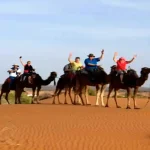
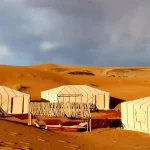
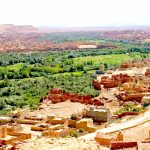
What this Sahara Desert travel guide means by “the desert”
Many private Morocco itineraries use Merzouga as the gateway to the Erg Chebbi dunes. The area includes desert-edge villages, palm landscapes, rocky terrain, and dune camps. Therefore, the experience is wider than a single camel ride or one photograph at sunset.
Other desert regions exist in Morocco. However, the published Escape to Morocco routes currently focus on Merzouga. Your written proposal should identify the exact camp area, transfer method, room type, meal plan, and vehicle arrangements.
How many days do you need?
From Marrakech or Fes, three days is commonly the practical minimum for a return journey. Even then, the route includes long road days. Travelers should accept that before booking.
Two nights in the Merzouga region create a calmer experience. For example, the extra time can support a village visit, a landscape drive, a slower morning, or recovery from the journey. As a result, a ten-day national itinerary usually handles the Sahara better than a rushed one-week circuit.
Compare the two main route directions
The 3-day desert tour from Marrakech crosses the High Atlas and southern valleys before reaching Merzouga. By contrast, the 3-day desert tour from Fes follows the Middle Atlas and Ziz Valley.
A through-route from Marrakech to Fes can reduce repetition. However, it requires careful luggage, accommodation, and onward-travel planning. The 10-day Morocco tour shows how the desert can connect the two cities in one coherent sequence.
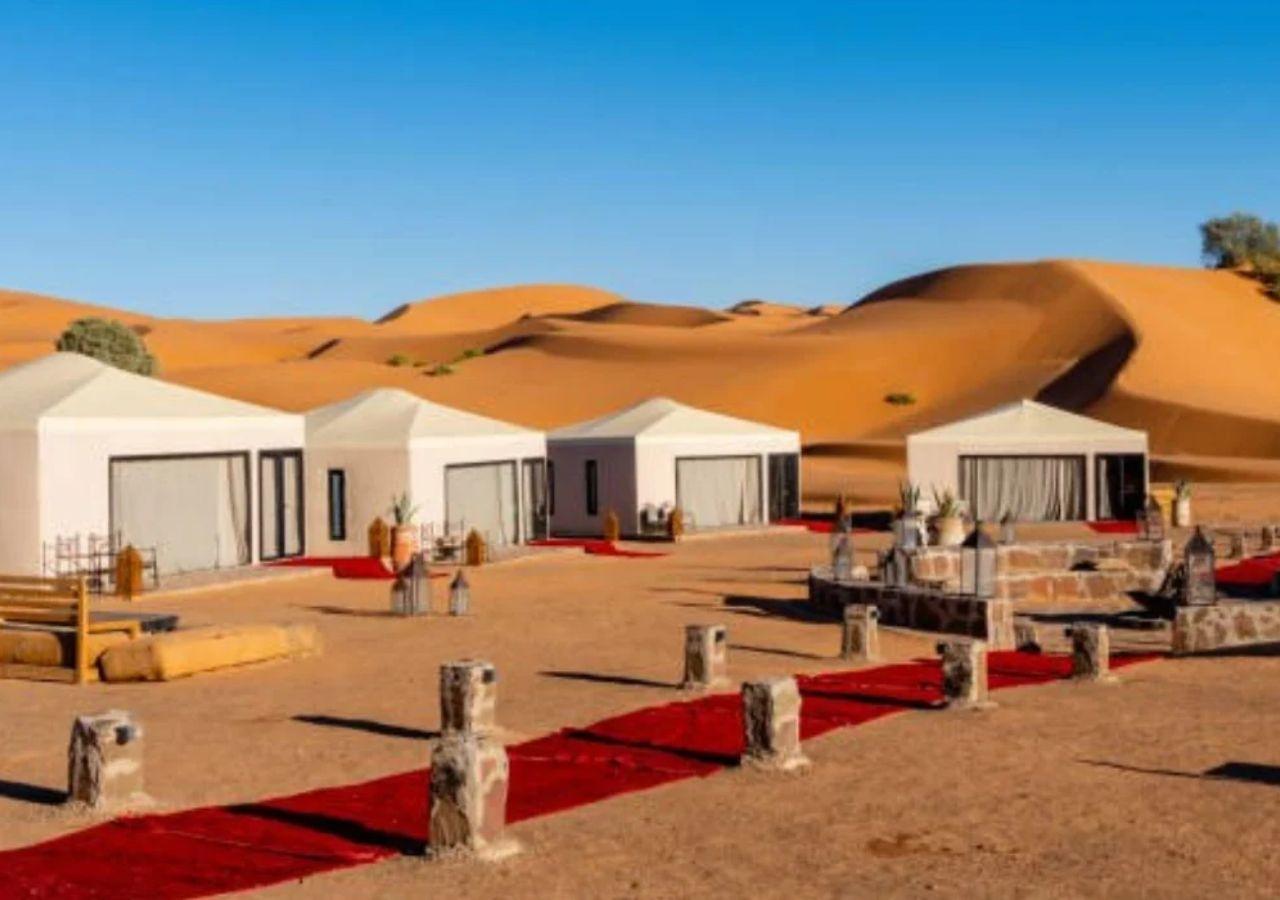
What to confirm about a desert camp
- Exact location and transfer method from the road or village
- Private or shared tent and private or shared bathroom
- Heating, cooling, electricity, and expected night comfort
- Dinner, breakfast, drinks, and dietary arrangements
- Camel experience duration and a vehicle alternative
- Luggage handling, mobility access, and footwear advice
Camp labels such as standard, luxury, or premium do not have one universal meaning. Therefore, compare actual facilities rather than relying on the label alone.
Best time and weather considerations
Spring and autumn often suit multi-region routes. Nevertheless, conditions can vary and sandstorms are possible. Winter days can be pleasant, while nights may feel very cold. Summer heat can make the desert route demanding.
Check current forecasts before departure. In addition, ask how the daily schedule will change during extreme heat, strong wind, or difficult road conditions. Our guide to the best time to visit Morocco explains how season affects a wider itinerary.
Camel rides, vehicles, and mobility
A camel transfer is optional, not a test that every traveler must complete. Some guests prefer a four-wheel-drive transfer or a shorter camel experience. Discuss back, knee, balance, or mobility concerns before confirmation.
Likewise, families should ask about child seating, supervision, and the practical camp environment. A private proposal should explain the arrangement instead of making assumptions.
What to pack
Bring layers, sun protection, closed footwear, and a small overnight bag when the main luggage stays with the vehicle. In colder periods, pack warm sleepwear. In addition, protect cameras and phones from sand.
Official destination information: The Moroccan National Tourist Office destination directory includes the Errachidia, Midelt, and Merzouga region. Current weather and local access should still be checked close to departure.
Use this Sahara Desert travel guide before booking
The best desert plan is transparent about road time, camp facilities, transfer options, and seasonal comfort. Finally, it should fit the whole journey. Share your dates through the private tour enquiry form so the desert segment can be planned around your priorities.
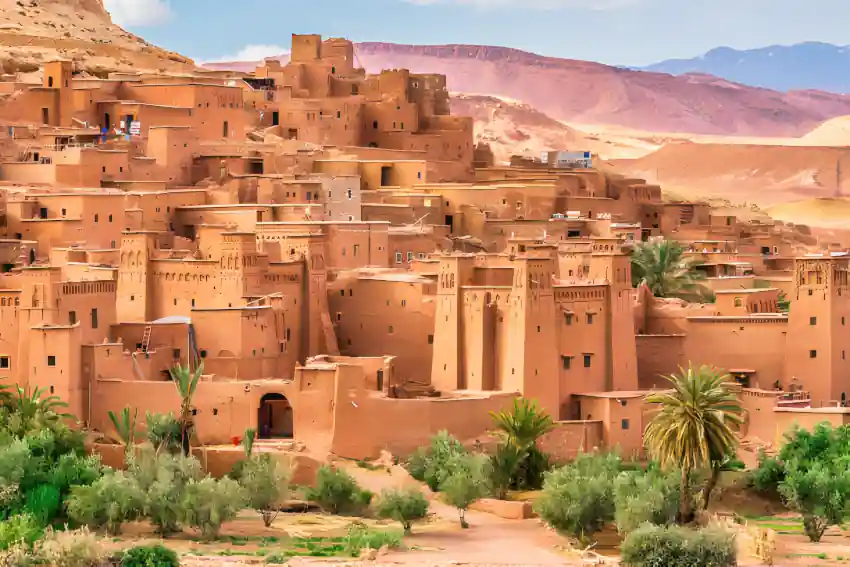
3-Day Sahara Desert Tour from Marrakech
However, a concentrated overland journey from Marrakech across the High Atlas to the Merzouga dunes, designed for travelers who understand the road time involved.
- Duration: 3 days
- Route: Marrakech to Marrakech
3-Day Fes to Merzouga Desert Tour
Likewise, a private Fes-based desert route through the Middle Atlas and Ziz Valley to Merzouga, with a full day to experience the desert-edge region.
- Duration: 3 days
- Route: Fes to Fes
Build the route around your priorities
Tell us which places feel essential.
Sahara Travel Guide
Sahara Travel Guide
This Sahara travel guide is for travelers who want to understand how desert travel in Morocco actually works before they book it. In Moroccan trip planning, “the Sahara” usually means the desert-edge regions around Merzouga and Erg Chebbi, with overland access through the east and southeast rather than a simple direct jump into dunes. Morocco’s official tourism site presents Errachidia, Midelt, and Merzouga as one connected desert territory of dunes, palm groves, tracks, and hikes.
For many travelers, the desert is one of the emotional high points of a Morocco trip. It is also one of the parts that people underestimate most. The Sahara is not only a place to sleep in a camp. It is a route, a rhythm, and a set of choices about timing, season, comfort, and road distance. That is why this guide works best when read alongside Morocco travel, Best Morocco Itinerary, and How Many Days in Morocco.
Why visit the Sahara in Morocco?
The Moroccan Sahara gives you something few other parts of the country can offer: silence, scale, and a very different sense of time. Morocco’s official tourism material describes Merzouga as one of the gates of the Sahara and presents Erg Chebbi as a landscape of dunes, palm groves, and desert tracks. It also highlights Dayet Srij, the seasonal lake area near Merzouga, which adds another layer to the region beyond dunes alone.
What makes the Sahara especially strong in itinerary terms is contrast. A route that begins in cities and mountains can feel much more complete once it reaches the desert edge. That contrast is one reason many classic Morocco itineraries connect Marrakech or Fes with the Sahara rather than treating it as a stand-alone destination. Organized desert tours from edge towns such as Merzouga and M’Hamid are also explicitly noted in official Morocco travel material.
What the Sahara is actually like
The first useful correction is this: not every “Sahara trip” in Morocco is the same. Some travelers mean Erg Chebbi near Merzouga. Others mean Erg Chigaga from the M’Hamid side. Morocco’s official material for the Errachidia–Midelt–Merzouga region clearly centers Merzouga and Erg Chebbi as one of the country’s main dune experiences, while its broader travel brochures note organized desert departures from both Merzouga and M’Hamid.
For most first-time travelers, Merzouga and Erg Chebbi are the more common reference point. This is where Morocco’s official tourism site places the country’s highest dunes, along with classic sunrise, sunset, palm grove, and camp-style desert experiences.
Best time to visit the Sahara
Spring and autumn are often the easiest seasons for a Sahara trip because they usually give a better balance for long drives, outdoor stops, and dune time. That is not a fixed rule, but it is often the most practical one when the desert is part of a wider Morocco route. Morocco’s official tourism site stresses regional climate variation across the country, which is why desert timing should be thought about as part of the full itinerary, not in isolation.
Summer can work, but it usually demands more care. Desert-facing routes and inland transfers can feel much more intense in hotter periods, especially if the trip includes several long road segments. Winter can also be rewarding, but nights may be much colder than many travelers expect. Exact temperatures, camp comfort, and local weather should always be verified close to travel dates.
If you are choosing dates first, pair this page with Best Time to Visit Morocco before you fix the route.
How many days do you need for the Sahara?
For most travelers, the desert itself is only one part of the journey. The real question is how much time you need to include the Sahara without weakening the rest of the trip. In practice, a 3-day desert route is often the minimum structure people choose when coming from Marrakech or Fes, because the access is overland and part of the experience lies in the transition through changing landscapes. Morocco’s travel material also refers to organized tours departing from desert-edge towns rather than presenting the Sahara as instant-access sightseeing.
As a working rule:
1 night in the desert can be enough if the wider route is built around it
2 nights or more usually gives a calmer rhythm
3-day overland trips are often the practical minimum from Marrakech or Fes for many travelers
If you want the desert as a short focused route, compare 3-Day Sahara Desert Tour from Marrakech and 3-Day Fes to Merzouga Desert Tour.
What to expect on a Sahara trip
Dunes and camp experience
For many travelers, the visual center of the trip is Erg Chebbi. Morocco’s official tourism site describes it as a world of dunes and also highlights sunrise and sunset over the sands as defining experiences. That is accurate, but it helps to arrive with realistic expectations. Desert camps vary in comfort, access, and setup, and not every camp experience is the same. Camp location, season, wind, and logistics should always be verified before booking
The road to the desert
The road matters. A Sahara trip from Marrakech or Fes is not only about one night among dunes. It usually includes a long overland sequence through changing terrain, and that is part of why the trip feels memorable when it is paced well. Morocco’s tourism material treats the Errachidia–Midelt–Merzouga route as a distinct travel territory between Atlas and desert, not just a point-to-point transfer.
Oases, palm groves, and pre-desert landscapes
The Moroccan Sahara is not only sand. Official tourism pages for the region also describe palm groves, tracks, village life, and Dayet Srij, the seasonal lake area near Merzouga. That means the stronger desert trips usually include more than one texture: road, oasis, settlement, dunes, and open sky.
Is the Sahara safe?
For most travelers on standard Morocco routes, yes, but desert safety is more about road conditions, weather, operator quality, and route design than about urban crime. Current UK travel advice for Morocco says poor weather can make roads dangerous, especially mountain roads and secondary routes. That matters because many Sahara journeys depend on long overland travel through changing terrain rather than direct access.
There is also an important regional caution. UK travel advice for Western Sahara warns against all travel to parts of that territory. Travelers should not assume that every place loosely described as “the Sahara” falls under the same practical travel context. If a route goes beyond the standard Merzouga or southeastern Morocco circuits, verify the exact area carefully before travel.
For the broader question, also read Is Morocco Safe.
Do you need a guide for the Sahara?
In many cases, yes, or at least some structured local support. Not because the desert is inaccessible in principle, but because the Sahara works best when transport, timing, stops, and camp arrangements are handled coherently. Morocco’s own travel material points to organized tours from desert-edge towns, which reflects how many travelers actually experience the region.
If you are deciding how much support you want, read Do You Need a Guide in Morocco? before choosing the format.
.
How the Sahara fits into a wider Morocco itinerary
The desert usually works best in one of these ways:
as a major highlight inside a 7- to 10-day route
as part of a Marrakech-to-south journey
as part of a Fes-to-southeast route
as one strong segment inside a longer private circuit
That is why this Sahara travel guide usually works best when read alongside Best Morocco Itinerary, How Many Days in Morocco, Marrakech travel guide, and Fes travel guide. If you are in comparison mode, the broad private Morocco tours page is the next practical step.
Common mistakes in Sahara planning
The biggest mistake is treating the desert as a quick add-on. The Sahara is usually one of the longest and most route-dependent parts of a Morocco trip. Another mistake is ignoring season, camp standard, or driving rhythm. A third is assuming every desert route offers the same experience. Official Morocco material makes clear that desert access depends on edge towns and organized movement, not just on a single attraction pinned on a map.
A better approach is to decide three things first: which desert zone you want, how much road time you are comfortable with, and whether the desert is the emotional center of the trip or one part of a bigger route.
Our view
The Sahara is one of the strongest reasons to travel in Morocco, but it works best when it is planned as part of a wider journey rather than as a romantic idea alone. For many travelers, the real value of the desert is not only the dunes. It is the transition into them, the contrast with the rest of Morocco, and the sense of scale that changes the whole rhythm of the trip.
If you want to use the Sahara well, do not only ask whether it is worth it. Ask how it fits your route, your season, and your pace. That is what turns a long transfer into one of the most memorable parts of a Morocco journey.
To plan from here, compare Best Time to Visit Morocco, review How Many Days in Morocco, or plan your Morocco trip if you want help fitting the desert into the right wider itinerary.
Most Popular Questions
Is the Sahara worth visiting in Morocco?
Yes. For many travelers, it is one of the emotional high points of the trip. Morocco’s official tourism site presents Merzouga and Erg Chebbi as one of the country’s major desert experiences.
Which Sahara desert area is best for first-time travelers?
For many first-time travelers, Merzouga and Erg Chebbi are the most common starting point because they are widely used in standard Morocco routes and clearly presented in official tourism material.
How many days do you need for a Sahara trip?
That depends on your starting point and your pace, but many travelers use a 3-day structure from Marrakech or Fes to make the overland journey worthwhile. Organized desert trips from edge towns are also explicitly referenced in official Morocco travel material.
Is the Sahara safe for tourists?
Usually yes on standard routes, but safety depends heavily on road conditions, weather, timing, and the quality of local arrangements. Mountain and secondary-road conditions should be checked close to departure.
When is the best time to visit the Sahara?
Spring and autumn are often the easiest seasons for most travelers, especially when the desert is part of a wider Morocco route. Exact weather and comfort conditions should always be verified before travel.